

Gaming Addiction Treatment
Gaming Treatment Center in Utah
At White River Academy, we understand the growing concern around problematic gaming in adolescents. Our specialized program is designed to address the unique challenges teens face when excessive screen time begins to interfere with daily life. We’ve seen firsthand how these patterns can impact academic performance, friendships, family dynamics, and overall well-being.
Our comprehensive approach to video gaming addiction treatment combines evidence-based therapies, life skills training, and holistic interventions. We help individuals break their dependency on screen use and develop healthier, more sustainable habits. Our experienced team is dedicated to guiding each child toward a more balanced lifestyle and improved mental health.
- Email: info@whiteriveracademy.com
- Phone: 435-922-1183
What is Game Addiction?
Video game addiction, also called Gaming Disorder, is a behavioral condition defined by a recurring pattern of excessive play that overshadows important responsibilities and personal interests. Over time, this behavior can interfere with academic progress, strain family and peer relationships, and negatively affect both physical and emotional health.
While it remains a harmless hobby for many, some adolescents develop an unhealthy dependence that begins to disrupt daily routines and overall well-being. Without support, patterns can escalate, narrowing a teen’s world to screens and limiting opportunities for growth, confidence, and meaningful achievement.
At White River Academy, we help boys recognize these harmful patterns, restore balance, and build healthier relationships with technology, fostering resilience and long-term growth.
Symptoms of Video Game Addiction
Recognizing the signs is the first step toward getting help. Common indicators include:
- Inability to control or cut back screen time
- Escaping stress or anxiety through digital distraction
- Neglecting hygiene, sleep, or nutrition to keep playing
- Lying about or hiding how much time is spent online
- Losing interest in former hobbies or social activities
- Irritability, restlessness, or low mood when unable to play
If you notice these patterns in your teen, it may be time to seek professional gaming addiction therapy support for problematic behavior.
Causes of Addiction to Video Games
Understanding the underlying causes of addiction is crucial for effective treatment. At our treatment center, we take into account the various factors that may contribute to this behavior.
Common causes of gaming addiction in teens include:
- Escapism from real-world problems or stress
- Social anxiety or difficulty forming real-life relationships
- Underlying mental health issues, such as depression or ADHD
- The highly rewarding and immersive nature of video games
- Peer pressure and social expectations of online interaction
- Limited supervision or unclear boundaries around screen use
By identifying these root causes, we can tailor our treatment to address each teen’s specific needs and circumstances.
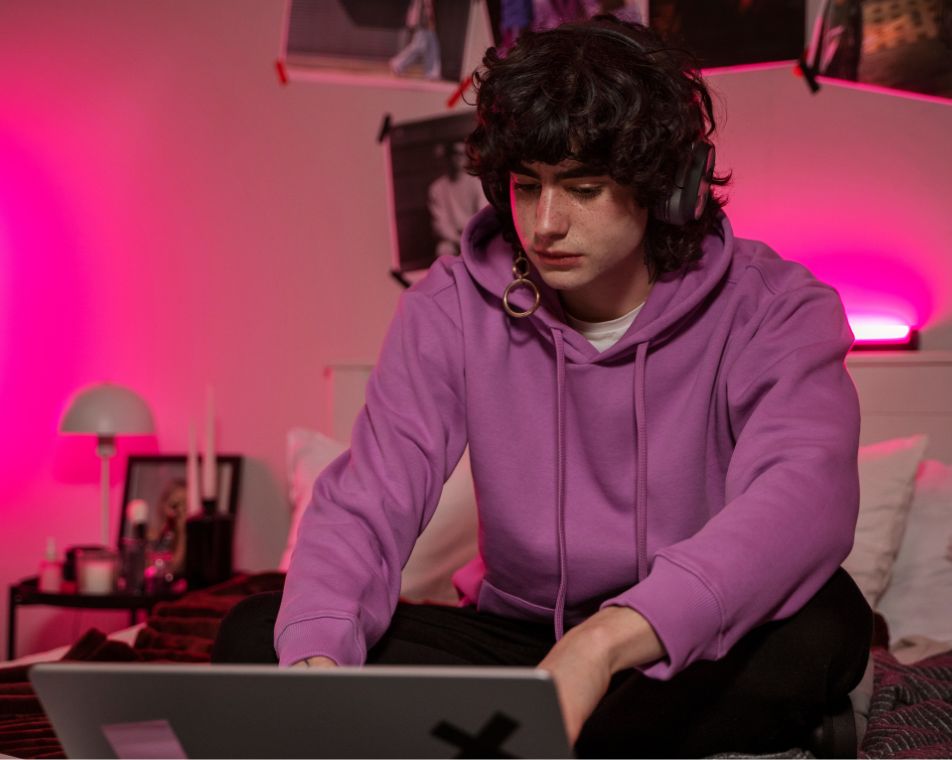

The Rising Concern of Teen Gaming Addiction
Gaming is nearly universal among adolescents, with 85% of U.S. teens reporting they play video games and 41% playing daily. While it is often harmless, studies show that around 8.6% of adolescents meet the criteria for gaming disorder. This compulsive behavior is linked to disrupted sleep, academic struggles, and mental health concerns such as anxiety or depression.
For states like Utah, where youth well-being remains a strong focus, these national statistics underscore the importance of recognizing problematic screen time early and ensuring families have access to supportive treatment options before the issue escalates further.
Why Choose us?
Our Video Game Addiction
Treatment Center
Teens deserve a setting that helps them pause, reset, and grow. We pair evidence-based therapy with daily routines, academics, and restorative activities to replace compulsive screen patterns with purpose and connection.
As one of the leading video game addiction treatment centers, we understand the importance of a holistic approach to recovery. Our program includes creative pursuits and outdoor activities, such as equine therapy, physical exercise, and hikes, to help teens discover new interests beyond online screens.
At White River Academy, we’re committed to providing effective treatment for addiction that empowers young boys to build a balanced, fulfilling life. If you’re concerned about your child’s habits, reach out – our teen video gaming addiction treatment can be the first step toward a balanced, connected future.
Our specialized programs address:
- Family Conflict
- Adoption Assistance Program
- Troubled Teens
- Gaming Addictions
- Learning disabilities
- Substance abuse

17 years
Successfully Helping Families
15 years
Treating Sex Addiction & Compulsivity
92%
Graduation Success Rate
10 years
Of Family Advancement & Foster Care Experience
200 +
Community Service Improvement Projects Completed
17 years
Successfully Helping Families
15 years
Treating Sex Addiction & Compulsivity
92%
Graduation Success Rate
10 years
Of Family Advancement & Foster Care Experience
200 +
Community Service Improvement Projects Completed
Contact White River Academy
We would love to hear from you. Do you have questions about our program, admissions, registration, or anything else.
Frequently Asked Questions about Gaming Addiction Treatment
We understand that seeking treatment for your child can raise many questions. To help you make informed decisions, we’ve compiled answers to some of the most frequently asked questions about our programs and our approach to treating teenagers.
If you don’t find the information you’re looking for, please don’t hesitate to contact our admissions team for personalized assistance.
Is gaming addiction a recognized mental health disorder?
Yes. The World Health Organization recognizes Gaming Disorder, characterized by impaired control over play, growing priority given to it, and persistence despite negative consequences. It’s diagnosed when these patterns cause significant distress or impairment in daily functioning.
How long does treatment for gaming addiction last?
Length varies by individual needs and progress. Many adolescents benefit from programs ranging from several weeks to a few months, with ongoing step-down support afterward. We tailor duration based on clinical assessment, goals, and family input.
Can teens use technology during treatment?
Access is structured and limited to support recovery. Early phases often focus on detox from nonessential screen time, with gradual, supervised reintroduction as skills improve. The goal is to build tolerance, self-regulation, and purposeful use.
How do you help teens develop a healthy relationship with technology?
We combine evidence-based therapy with practical skill-building, including time management, values-based decision-making, and coping strategies. Clients practice gradual, planned exposure to devices with clear boundaries and feedback. Coaching extends to academics, social communication, and recreational use.
How are families involved in the treatment process?
Family therapy, education, and regular check-ins are integral to care. Parents learn tools for boundaries, communication, and consistent follow-through at home. We collaborate on aftercare planning so support continues once the teen returns home.