
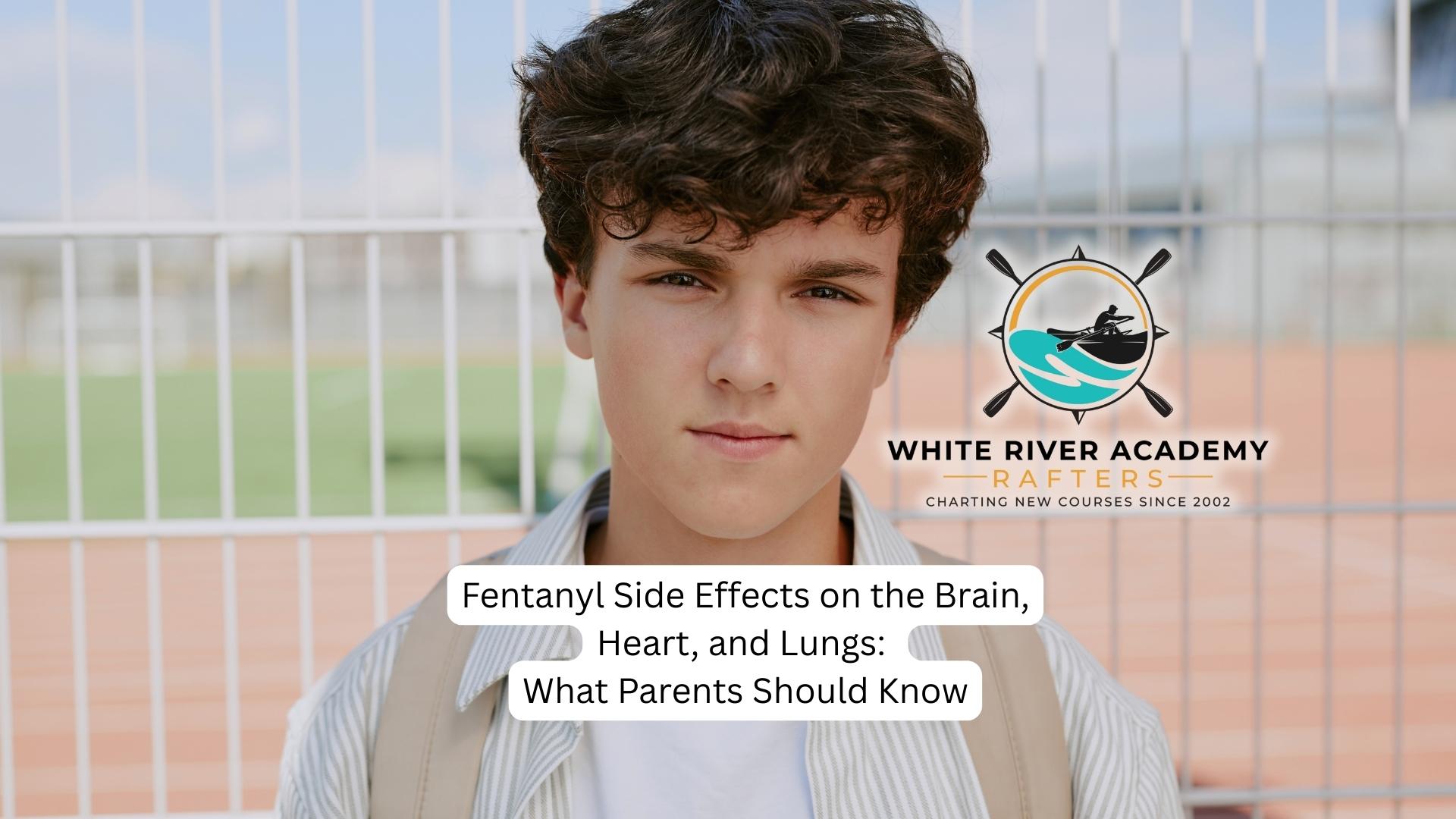
If you are a parent watching your son struggle with drug abuse, the fear is often constant. You might have heard about the dangers of this synthetic opioid, but understanding the specific fentanyl side effects on the brain, heart, and lungs is vital for his safety.
This substance is significantly more potent than morphine, and even a small amount can lead to a fatal overdose. Because it is often found in counterfeit pills or mixed with other illegal drugs, your son may not even know he is taking it. The CDC warns counterfeit pills can look like real prescription meds and hide dangerous contents.
This article provides a clinical yet compassionate look at how this drug ravages the body, focusing on the central nervous system, cardiac function, and respiratory stability. By knowing these risks, you can better navigate the path toward his recovery from fentanyl addiction and long-term health.
Quick Takeaways
- Research suggests fentanyl can depress breathing minutes before obvious sedation, shrinking the window to recognize overdose and respond
- In rare cases, fentanyl can cause severe chest wall rigidity (‘wooden chest syndrome’) that makes ventilation difficult.
- Severe hypoxia can cause permanent brain injury. Separately, rare case reports describe fentanyl-associated toxic leukoencephalopathy (white matter injury)
- Heart function can drop so severely that even naloxone may struggle to restore normal circulation.
How Fentanyl Overdose Impacts the Central Nervous System

When your son uses fentanyl, the drug immediately binds to opioid receptors in the brain that control pain and emotion. This process slows down the central nervous system, leading to a state of extreme relaxation or euphoria. However, this sedation comes at a high cost. According to the National Institute on Drug Abuse, fentanyl induces brain hypoxia, which is a severe lack of oxygen in the brain tissues. This occurs because the drug suppresses the signals that tell the body to breathe.
- Cognitive signs to watch for include memory loss and severe confusion.
- Physical signs involve pinpoint pupils and a lack of response to a person’s voice.
- Dangerous neurological symptoms can include seizures or a total loss of consciousness.
Toxic Leukoencephalopathy and Fentanyl Use
Recent medical studies have discovered that inhaling fentanyl can cause toxic leukoencephalopathy in rare cases, a condition where the white matter of the brain becomes inflamed or damaged. While some patients recover, others face irreversible cognitive decline. You might notice your son exhibiting mental depression, confusion about his surroundings, or an abnormal sleep pattern. These are not just behavioral issues; they may be signs that his brain is struggling to receive enough oxygen to function.
| Brain Region Impacted | Resulting Side Effect | Long Term Risk |
| White Matter | Toxic Leukoencephalopathy | Permanent cognitive impairment |
| Cerebellum | Loss of balance and gait | Difficulty walking or moving |
| Opioid Receptors | Euphoria and sedation | Severe physical dependence |
| Brain Stem | Respiratory depression | Fatal overdose from lack of air |
How Does Fentanyl Use Affect Teens?
Fentanyl affects teens severely due to their developing brains and lower opioid tolerance. Even tiny amounts can cause fatal overdoses. Because teen brains are still developing, substance use can have outsized effects on learning, mood, and decision-making; fentanyl’s biggest immediate risk is fatal respiratory depression. It slows breathing, impairs judgment, and disrupts brain development, affecting memory, learning, and emotional regulation.
Teens also face:
- Higher addiction risk
- Social isolation
- Academic decline
- Legal consequences
- Potential permanent cognitive damage or death from accidental exposure
Life-Threatening Effects of Fentanyl on the Heart
You may think of an opioid overdose as only a breathing problem, but the effects of fentanyl on the heart are equally dangerous. Fentanyl overdose causes a sudden drop in cardiac contractility, meaning the heart loses its ability to pump blood effectively. This leads to low blood pressure and a slow heartbeat known as bradycardia.
- The heart rate can slow to a dangerous level or stop entirely during a fatal overdose.
- Low blood pressure may cause your son to feel dizzy or faint suddenly.
- Chest pain or discomfort is a common sign of cardiac strain from opioid use.
Fentanyl Overdose Signs and When to Call for Help
If your son is using, he is at risk for fentanyl side effects like a fast heartbeat or irregular rhythms that strain his entire cardiovascular system. In many cases, the heart function drops so low that it cannot support oxygen delivery to the rest of the body. This creates a life-threatening cycle where the heart and lungs fail simultaneously. Unlike other drugs, fentanyl can cause these heart problems almost instantly, especially when mixed with other central nervous system depressants like alcohol or muscle relaxants.
| Symptom Type | Specific Effect | Immediate Action Needed |
| Heart Rhythm | Bradycardia or Sinus Tachycardia | Seek medical attention immediately |
| Blood Pressure | Severe Hypotension | Place in recovery position and call 911 |
| Skin Quality | Cold and clammy skin | Check for pulse and breathing |
| Oxygen Levels | Cyanosis (blue lips or nails) | Administer naloxone and start CPR |
Lung Problems and Severe Respiratory Depression

The most immediate threat your son faces when taking fentanyl is respiratory depression. This is where the drug makes fentanyl so dangerous: it essentially forgets to tell the body to breathe.
- Shallow breathing can lead to sleep-related hypoxemia, where oxygen levels drop during sleep.
- Chronic use can lead to permanent lung problems and an increased risk of infections.
- Severe constipation and stomach cramps are often present alongside these respiratory issues.
What is Wooden Chest Syndrome?
In rare cases, fentanyl users also experience the development of muscle rigidity, specifically in the chest and trunk muscles. This is often called wooden chest syndrome, and it makes the chest wall so stiff that even if your son tries to breathe, his lungs cannot expand. This rigidity can also cause vocal cord closure, further blocking the airway. If you hear shallow breathing or high-pitched noises that sound like snoring, you must provide immediate medical attention.
The Opioid Overdose Cascade
- Fentanyl enters the bloodstream and hits the brain stem.
- The brain signal to breathe is suppressed.
- Muscle rigidity sets in, locking the chest wall.
- Blood oxygen levels plummet (hypoxia).
- The heart slows and eventually stops.
The Hidden Danger of Counterfeit Pills and Drug Abuse
Many families are devastated to learn that their loved one didn’t even know they were taking fentanyl. Because it is cheap to produce, many street drugs are pressed into fake pills that look exactly like prescription pain medicine or oxycodone. These counterfeit pills often contain life-threatening amounts of illegally made fentanyl.
- Prescription pain medicine like the fentanyl patch is strictly for cancer pain and severe pain.
- Illegally made fentanyl is often mixed with heroin, cocaine, or methamphetamine.
- Opioid induced hyperalgesia can occur, where your son feels an increased sensitivity to pain over time.
If your son is using any form of street drugs, the risk of a fatal overdose is high because there is no quality control in how someone makes fentanyl in a lab. Even if he has used other opioids before, he may have no tolerance for the potency of this synthetic version. You can encourage the use of fentanyl test strips to detect the drug, but the only way to ensure safety is long-term support and evidence-based treatment.
Protecting Your Son from a Fatal Overdose
Your role as a caregiver is to stay vigilant for the signs of fentanyl use and be prepared for an emergency. If you suspect an overdose, you should call 911 immediately. You can temporarily reverse the effects of fentanyl by using naloxone, but because fentanyl is so strong, you may need higher doses or multiple applications. Always stay with the person and keep them awake until the emergency department staff arrives.
Fentanyl Side Effects FAQs
Why does fentanyl cause a fast heartbeat in some people?
While fentanyl usually slows the heart, some individuals experience a fast heartbeat or sinus tachycardia during use or withdrawal. This can be a reaction to the drug’s impact on the autonomic nervous system or a sign of severe distress as the body tries to compensate for low oxygen levels.
Can a person recover from brain damage caused by fentanyl?
Recovery from fentanyl induced brain damage, such as toxic leukoencephalopathy, varies. Some individuals may see improvement after stopping the drug and receiving medical care, while others may suffer from permanent cognitive deficits or memory loss, depending on the severity of the oxygen deprivation.
How do I know if my son’s shallow breathing is an emergency?
If your son has shallow breathing, is making gurgling noises, or has blue lips and fingernails, it is a medical emergency. These are signs that his respiratory system is failing. You should administer naloxone if available and call for help immediately.
How long do side effects of fentanyl last?
Fentanyl’s immediate effects often peak quickly and may last from about 30 minutes to several hours after a single dose, depending on the route of administration.. However, severe reactions like respiratory depression can persist longer and prove fatal. With regular use, side effects including cognitive impairment, tolerance, and withdrawal symptoms can last days, weeks, or become permanent.
What are some fentanyl withdrawal side effects?
Fentanyl withdrawal causes intense flu-like symptoms, including severe muscle aches, nausea, vomiting, diarrhea, and abdominal cramping. Expect profuse sweating, chills, rapid heartbeat, and high blood pressure. Psychological effects include anxiety, depression, insomnia, and intense cravings. Symptoms peak within 2-4 days and can last weeks. Medical supervision is crucial for safety and comfort during detox.
Take Action Now: Protecting Your Son from Fentanyl’s Devastating Effects
Understanding the fentanyl side effects on the brain, heart, and lungs is the first step in saving your son’s life. This drug presents a level of danger that few other substances can match, from wooden chest syndrome to permanent brain injury. If you are ready to help your son build a strong foundation for adulthood, White River Academy provides the disciplined, evidence-based care he needs to grow into a responsible young man. Contact our confidential admissions team to discuss your son’s needs today.