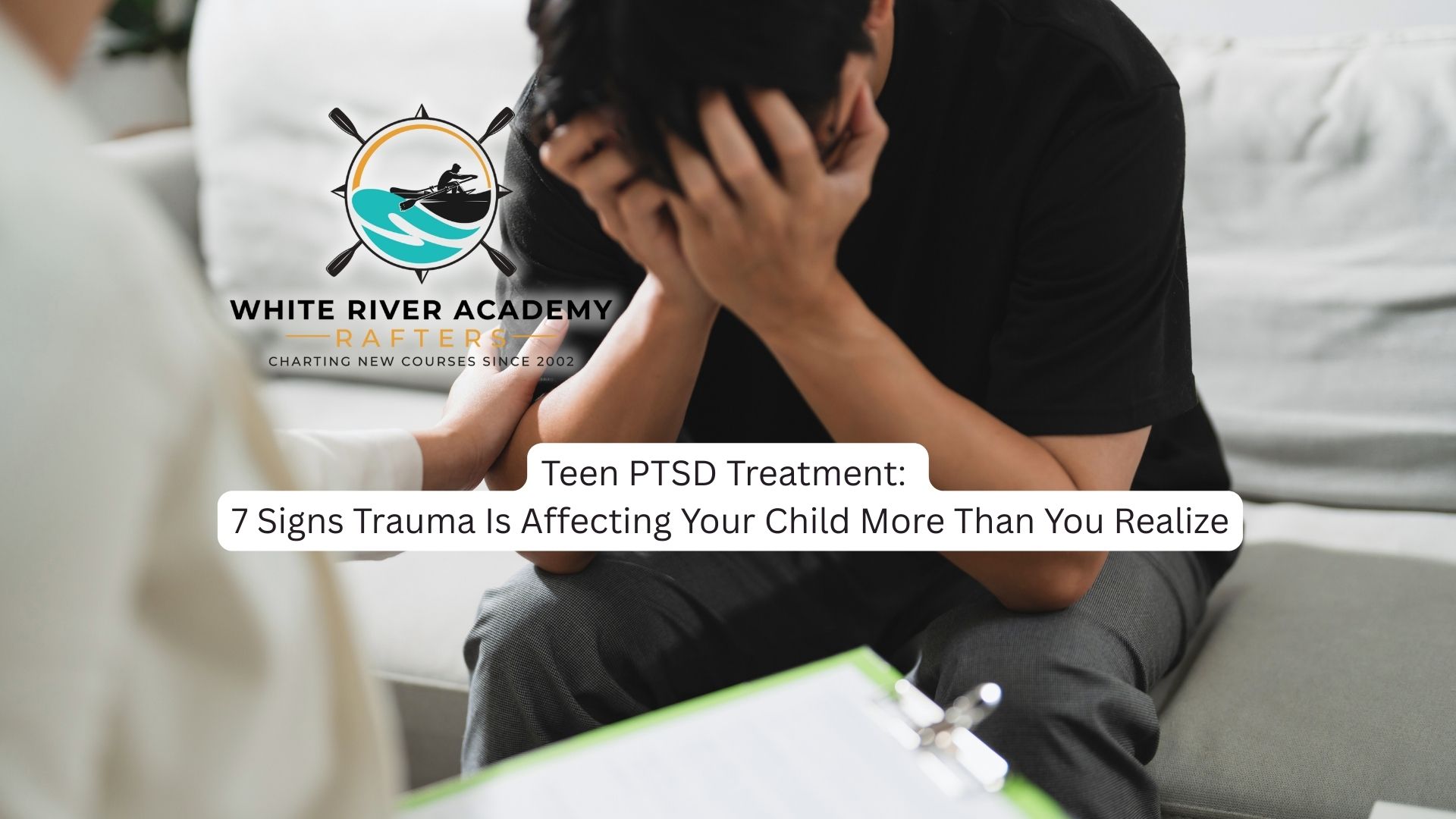
When your son seems different but you cannot pinpoint why, the changes might run deeper than typical teenage struggles. Many parents miss early warning signs that trauma has taken root. Post traumatic stress disorder affects more adolescent boys than most families realize, and the symptoms often hide behind what looks like normal teen behavior. This article walks you through seven subtle signs that trauma may be affecting your child more than you realize. You’ll learn how to distinguish between typical adolescent adjustment and posttraumatic stress, what teen PTSD treatment involves, and how to take the first step toward helping your son heal.
Quick Takeaways
- Your son’s sudden personality changes, sleep problems, or academic decline might signal posttraumatic stress disorder rather than typical teenage behavior.
- Trauma symptoms in boys often manifest as anger, risk-taking behavior, or emotional withdrawal rather than the fear-based responses you might expect.
- Evidence-based therapies like cognitive behavioral therapy and trauma-focused treatment help adolescents process traumatic experiences and rebuild emotional stability.
- Early intervention dramatically improves outcomes, with specialized residential programs offering structured support when outpatient care falls short.
- Professional assessment by a mental health professional trained in adolescent trauma is essential for accurate diagnosis and appropriate treatment planning.
What Parents Need to Know About Teen Post-Traumatic Stress Disorder and PTSD Diagnosis

Post-traumatic stress disorder develops when your son’s brain gets stuck processing a traumatic event. Unlike adults, adolescents may lack the emotional vocabulary to properly express the PTSD symptoms they are experiencing. The Diagnostic and Statistical Manual defines PTSD as persistent symptoms lasting more than one month that significantly impair daily functioning.
According to the National Institute of Mental Health, 5% of adolescents aged 13-18 experience PTSD, with rates climbing higher among those exposed to interpersonal violence or sexual assault. Girls show higher rates at 8%, while boys report PTSD at 2.3%. However, these numbers likely underestimate the true impact because boys often mask symptoms differently than girls.
How Does PTSD Occur in Teens?
Your child might have experienced trauma through physical abuse, witnessing domestic violence, a serious injury, military combat exposure in military families, or community violence. Natural disasters and car accidents can trigger post=traumatic stress symptoms. Even events that seem less severe to adults, like prolonged bullying or emotional neglect, can cause significant psychological distress in developing minds.
The difference between experiencing a traumatic event and developing PTSD lies in how the brain processes the experience. Treating PTSD is often not simple or predictable. Some teens bounce back quickly, while others get trapped in a cycle of intrusive memories and avoidance. Early recognition and intervention make all the difference in your son’s recovery trajectory.
First PTSD Sign: Persistent Shifts in Positive Emotions and Social Connection

You might notice your child becoming a ghost in their own home. One of the primary indicators of trauma stress is a persistent reduction in the expression of positive emotions. When a traumatic event occurs, it can fundamentally alter a teen’s ability to feel joy or excitement. You may see them withdrawing from family and friends or losing interest in activities they once loved. This avoidance symptom is often a defense mechanism against traumatic memories.
- Social Isolation: Stops hanging out with long-term friends.
- Emotional Numbing: Seems “flat” or detached from family life.
- Loss of Interest: Hobbies that used to define him are now ignored.
Second Sign: Physical Complaints and Unexplained Somatic Symptoms
When a teen is struggling with post-traumatic stress, their body often keeps the score. You might find yourself taking them to the doctor for chronic headaches or stomach aches that have no clear medical cause. These are often marked physiological reactions to trauma memories. According to the American Psychiatric Association, physiological reactions like increased heart rate and blood pressure are common when a teen is exposed to reminders of past trauma.
| Symptom Category | Common Manifestations in Teens | How It Often Shows Up at School/Home | Implications for Treatment |
| Sleep Disturbance | Insomnia, frequent nightmares, or waking up exhausted. | Falling asleep in class, irritability, poor concentration, increased absences | May require sleep hygiene work, trauma-informed therapy, and careful medication monitoring |
| Somatic Issues | Frequent reports of headaches, stomach pain, or muscle tension. | Repeated visits to the nurse, avoidance of school, difficulty articulating emotional distress | Signals need to assess anxiety, trauma, or depression rather than treating symptoms as purely physical |
| Arousal Changes | An exaggerated startle response or being constantly “on edge”. | Overreacting to minor stressors, disciplinary issues, difficulty calming down | Indicates nervous system dysregulation; benefits from CBT, DBT skills, and trauma-focused interventions |
Third Sign: Drastic Changes in Academic Performance and Focus
If your teen’s grades have plummeted, it might not be a lack of effort. Post-traumatic stress disorder significantly impacts the prefrontal cortex, the area of the brain responsible for decision-making and concentration. You may notice he has difficulty concentrating or frequently spacing out in class. This dissociative reaction is a common way the brain tries to gain control over overwhelming traumatic experiences.
Fourth Sign: Increased Irritability and Aggressive Outbursts
Trauma can turn even a mild-mannered child into a powder keg. You might see irritable or aggressive outbursts with little or no provocation. This isn’t just “being a teenager”; it’s often a sign of hypervigilance. When a teen has experienced trauma, their amygdala becomes hyperactive, making them feel like they are in constant danger. You may notice signs like:
- Self-destructive Behavior: Engaging in risky activities or substance use.
- Anger Toward Authority: Picking fights with teachers or parents.
- Impulsivity: Making snap decisions without considering consequences.
Fifth Sign: Intrusive Memories and Flashbacks
Your teenager might suddenly seem like they’re “somewhere else.” Flashbacks can make it seem like the traumatic event is happening again in the present. They may experience recurrent, involuntary, and intrusive thoughts that they cannot shut off. These traumatic memories are often triggered by sounds, smells, or sights that remind him of the event.
To address these symptoms in teen PTSD treatment, first-line therapies, like cognitive behavioral therapy, prolonged exposure therapy, and eye movement desensitization (EMDR), are highly recommended by clinical practice guidelines. These specialized treatments help the brain reprocess the traumatic stress so the memories no longer carry the same terrifying weight.
Sixth Sign: Profound Shifts in Self-Belief and Identity
Trauma often leaves a teen with negative beliefs about themselves and the world. They might start saying things like “I’m permanently damaged” or “The world is an inherently dangerous place”. This persistent negative emotional state can lead to chronic PTSD if left untreated. These distorted thoughts become deeply ingrained, affecting relationships, academic performance, and willingness to engage in previously enjoyed activities, creating a self-reinforcing cycle of avoidance and isolation.
Seventh Sign: Avoidance of Specific People, Places, or Topics
Is your son suddenly refusing to drive by a certain street or talk about a specific family member? Avoidance is a hallmark sign of posttraumatic stress. He is trying to protect himself from the prolonged psychological distress that comes with reminders of the trauma. While this might seem like a way to respond effectively to the pain, it actually prevents the brain from healing.
Cognitive Therapy, Exposure Therapy, and Other Therapeutic Options in Teen PTSD Treatment
If you recognize these signs, it’s time to consult a mental health professional to diagnose PTSD. Treatment options vary, but individual therapy combined with group therapy is often effective.
Common Evidence-Based Therapies
- Cognitive Behavioral Therapy: Focusing on changing the pessimistic evaluations of the trauma.
- Prolonged Exposure: Helping the teen gradually face trauma memories.
- Selective Serotonin Reuptake Inhibitors: In some cases, medications can help reduce anxiety when combined with first-line therapy approaches.
FAQs About Teen PTSD Treatment
How long do symptoms need to last for a PTSD diagnosis?
Symptoms must persist for more than one month after trauma exposure for a PTSD diagnosis. This distinguishes it from normal acute stress reactions, which typically resolve within weeks. The symptoms must cause significant distress or functional impairment in daily life.
What is the difference between PTSD and acute stress disorder?
The primary difference is timing. Acute stress disorder occurs within three days to one month after trauma. PTSD is diagnosed when symptoms persist beyond one month. Both involve similar symptoms, such as intrusive memories, avoidance, negative mood changes, and hyperarousal.
Can boys recover from chronic PTSD?
Yes, boys can absolutely recover from chronic PTSD. With appropriate treatment that includes trauma-focused cognitive behavioral therapy, EMDR, or other evidence-based interventions, significant improvement is possible. Earlier intervention generally improves outcomes, but recovery remains achievable even after prolonged symptoms.
Taking the First Step
If these signs resonate with your experience, trust your instinct that something serious is happening. Seeking professional evaluation represents an act of courage and love, not an admission of failure. Early intervention dramatically improves outcomes for teen PTSD treatment.
White River Academy offers the structured, evidence-based support your son needs to overcome posttraumatic stress and build the foundation for a healthy, responsible future. Our experienced team understands adolescent trauma and knows how to guide boys through the healing process. Contact our confidential admissions team to discuss your son’s next steps.