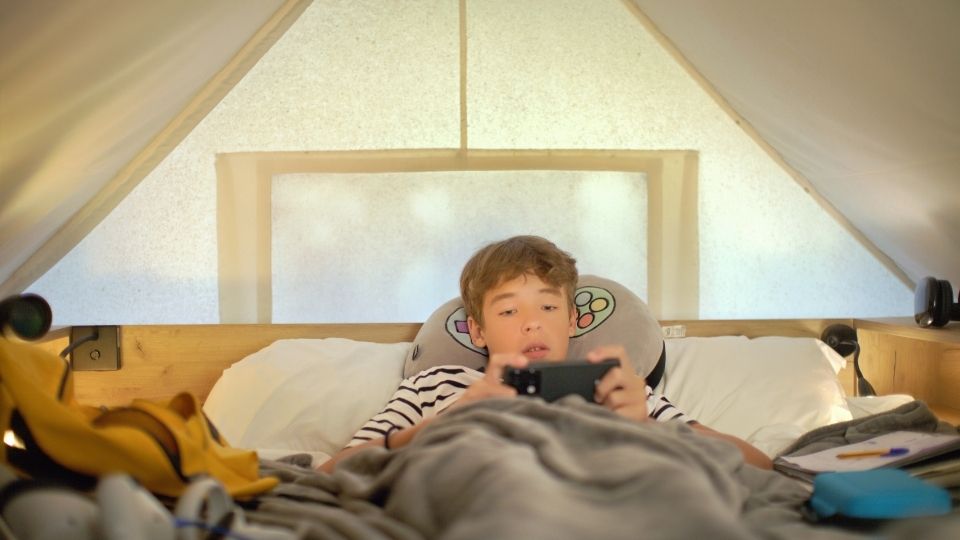


If your son is struggling with severe mental health, substance, or behavioral challenges, you’re likely weighing options that feel overwhelming. Residential treatment centers offer structured support when other interventions fall short. This article walks you through daily life, treatment approaches, and what makes these programs effective for adolescent boys who need intensive care.
Quick Takeaways
- Residential programs provide 24-hour clinical care in structured, therapeutic settings designed specifically for teens with severe mental health conditions.
- Your son receives an individualized treatment plan combining therapy, medication management, education, and skill development tailored to his unique needs.
- Evidence shows teens who complete residential programs experience improvements in symptoms, with positive outcomes maintained months after discharge.
- The multidisciplinary team approach ensures your son receives comprehensive care from psychiatrists, therapists, nurses, and specialized staff working together.
The Daily Structure of Residential Care

When your son enters a residential treatment center, he steps into a carefully designed environment where every hour serves a therapeutic purpose. The structured schedule creates predictability, helping boys struggling with chaos develop healthy patterns.
Your son’s day typically begins with morning routines that teach basic self-care habits. After breakfast, he participates in educational programming or therapeutic groups until midday. Afternoons bring individual therapy sessions, group counseling, and skill-building activities. Evenings include family therapy sessions, recreational time, or reflection periods before lights out.
The Purpose of Structure and Routine
This consistent routine isn’t arbitrary. According to the National Institute of Health, more than half of adult mental disorders onset before the age of 18. The round-the-clock support offered in teen residential treatment centers addresses behavioral problems when they occur, teaching teens to manage emotions in real-time rather than waiting days between therapy appointments.
Programs balance clinical work with normal teenage activities. Your son still connects with peers, engages in physical activities, and experiences moments of joy while working through difficult emotional territory. The goal is to create a sustainable lifestyle he can maintain long after leaving the program.
How Treatment Plans Get Personalized

No two boys arrive at residential treatment centers with identical struggles. Your son’s treatment journey begins with comprehensive assessments examining his mental health conditions, family dynamics, trauma history, and behavioral patterns. The admissions team gathers information from you, previous providers, and direct observation to build a complete picture.
Within the first week, the multidisciplinary team develops an individualized treatment plan addressing your son’s specific challenges. If he’s battling depression alongside substance use, his plan integrates both mental health therapy and addiction-focused interventions. For boys with co-occurring disorders like anxiety and behavioral problems, treatment tackles both simultaneously rather than treating them as separate issues.
Your son’s plan evolves as he progresses. Weekly team meetings review what’s working and adjust approaches that aren’t producing results. This flexibility ensures treatment remains relevant to his changing needs rather than following a rigid protocol.
| Treatment Component | Purpose | Frequency | Key Outcomes |
|---|---|---|---|
| Individual Therapy | Process personal trauma, build coping skills | 2-3 sessions weekly | Stress reduction, teamwork, and healthy routine development |
| Group Therapy | Develop social skills, learn from peers | Daily | Emotional regulation, insight, and healthier coping strategies |
| Family Therapy | Repair relationships, improve communication | Weekly | Stronger family trust, clearer boundaries, aligned expectations |
| Psychiatric Care | Medication management, symptom monitoring | Bi-weekly or as needed | Improved communication, accountability, and peer connection |
| Academic Support | Maintain education, develop study habits | Daily | Academic continuity, improved focus, restored confidence |
| Recreational Activities | Build healthy outlets, reduce stress | Several times weekly | Stress reduction, teamwork, healthy routine development |
Clinical Therapies That Drive Change

Residential programs employ evidence-based treatments proven effective for adolescent mental health issues. Your son won’t just talk about feelings, he’ll learn practical skills for managing distress when it strikes.
- Dialectical behavior therapy teaches boys four core skill sets: mindfulness for staying present, distress tolerance for crisis situations, emotion regulation for managing intense feelings, and interpersonal effectiveness for building healthy relationships. These concrete tools give your son alternatives to destructive behaviors when stress peaks.
- Many residential programs incorporate cognitive behavioral therapy, helping boys identify thought patterns that fuel depression or anxiety. Through CBT, your son learns to challenge negative beliefs and develop more balanced perspectives on difficult situations.
- For boys carrying trauma, treatments like EMDR help process painful experiences that drive current behaviors. Rather than avoiding traumatic memories, these approaches help your son integrate experiences so they lose their power to control his reactions.
- Family therapy forms the backbone of successful residential treatment. Sessions rebuild trust damaged by years of conflict and teach everyone better communication patterns. You’ll learn how your responses either support or undermine your son’s progress as he practices expressing his needs without escalating to crisis.
The Specialized Team Supporting Your Son
Your son’s healing journey involves coordinated effort from professionals with distinct expertise. This multidisciplinary team meets regularly to discuss his progress and ensure everyone works toward consistent goals.
- The psychiatrist manages medication for mood disorders, bipolar disorder, or other conditions requiring pharmaceutical intervention. They monitor side effects, adjust dosages, and work closely with therapists to ensure medications complement rather than replace therapeutic work.
- Licensed therapists deliver individual and group therapy, helping your son process trauma, develop coping skills, and prepare for life after discharge. Each therapist brings specialized training in adolescent mental health and specific treatment modalities.
- Registered nurses provide constant support, administering medications, monitoring health conditions, and responding to medical emergencies. Their presence ensures that physical and mental health receive equal attention.
- Academic teachers keep your son engaged with schoolwork, preventing the educational gaps that complicate reintegration. They coordinate with his home school to ensure credits transfer and graduation timelines remain achievable.
- Residential counselors staff the program 24/7, supervising daily activities, enforcing structure, and providing immediate support when your son struggles. These frontline staff often build the strongest relationships with residents, offering perspective therapists might miss during weekly sessions.
Academic Continuity During Treatment
Your son can’t often pause his education for months while addressing mental health or substance abuse. Residential treatment centers maintain academic programming, ensuring he doesn’t fall behind peers.
Accredited on-site schools provide individualized instruction matching your son’s learning style and pace. Small class sizes allow teachers to adapt lessons for boys at different academic levels, from those struggling with basics to advanced students maintaining honors courses.
Keeping Up With Course Work
Teachers coordinate with your son’s home school, obtaining current curricula and ensuring completed work transfers for credit. Many boys actually improve academically in residential settings where learning disorders receive proper accommodation and behavioral problems don’t disrupt focus.
Academic support extends beyond classroom hours. Evening study periods with tutoring help solidify concepts while developing organizational skills that many boys with ADHD or executive function challenges never mastered. Learning to manage assignments independently builds confidence and transfers to other life areas.
A Structured Residential Environment That Builds Responsibility and Emotional Maturity
Residential treatment centers offer intensive care when your son’s mental health challenges exceed what outpatient services can address. Through structured daily routines, evidence-based therapies, and comprehensive family involvement, these programs help adolescent boys develop the skills and stability needed for long-term success. At White River Academy, we provide a disciplined, therapeutic environment where boys build responsibility, emotional maturity, and the foundation for purposeful young adulthood. Call our confidential admissions team to discuss your son’s needs and discover how our long-term residential approach can support your family’s healing journey.