


Most parents who start researching the effects on the brain from weed are not looking for a debate about legalization. They are looking at a son who used to care about grades, sports, or friendships and who now seems flat, forgetful, defensive, and hard to reach. They want to know what is happening inside his head, whether it is permanent, and what actually helps.
The honest answer is that adolescent cannabis use interacts with a brain still under construction, and timing matters enormously. The same substance that produces modest, largely reversible effects in a 30-year-old can interfere with structural processes that only happen once. Two decades of neuroscience have moved from vague warnings to specific findings about attention, memory, motivation, white matter integrity, and psychiatric risk. Those findings are not uniformly alarming, and some famous claims have been challenged, but the pattern is consistent enough that pediatric and psychiatric organizations treat regular teen use as a developmental risk rather than a rite of passage.
This article walks through what the research shows, where it is contested, and what recovery looks like. For families whose son already needs more structure than weekly therapy can provide, White River Academy’s residential treatment center for teens in Utah combines academics, clinical care, and daily accountability in one setting.
Why the Adolescent Brain Is Uniquely Vulnerable
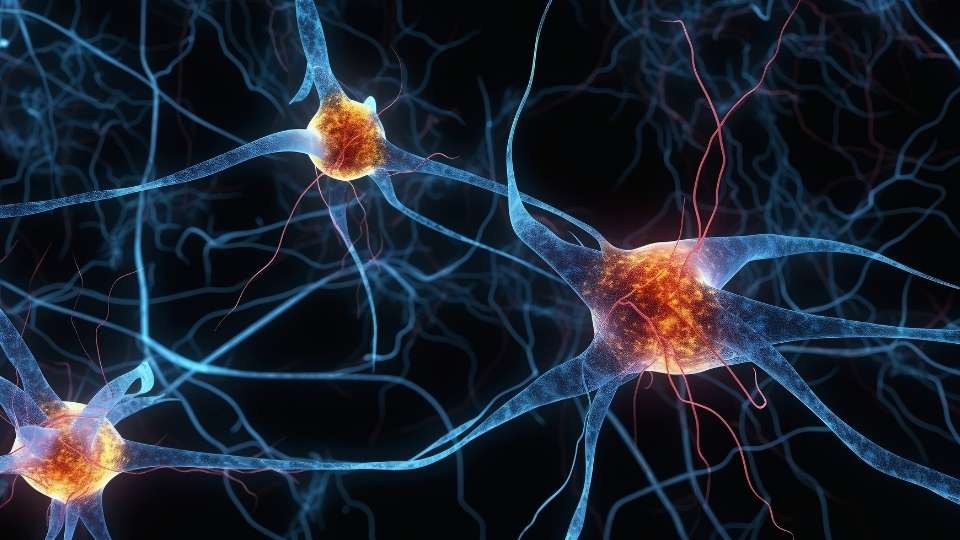
Adolescence is not simply a smaller version of adulthood with more attitude. It is one of two periods of intense neural reorganization in human life, second only to infancy.
The Prefrontal Cortex Finishes Last
Brain maturation moves from back to front. Regions that handle basic sensation and movement are largely finished by early adolescence. The prefrontal cortex, which handles impulse control, planning, risk assessment, delayed gratification, and emotional regulation, continues developing into the mid-twenties.
This creates a well-documented mismatch. The limbic system, which drives reward seeking and emotional intensity, matures earlier than the prefrontal systems meant to keep it in check. That gap explains much of ordinary teenage behavior, and it means a substance that further dampens prefrontal function lands on circuitry that was already the weakest link.
The Endocannabinoid System Is a Construction Manager, Not a Bystander
The reason cannabis affects teens differently comes down to biology rather than moralizing. The human brain produces its own cannabinoids, including anandamide and 2-AG, which bind to CB1 and CB2 receptors. During adolescence, this endocannabinoid system does far more than modulate mood and appetite. It helps direct the developmental work of the period:
Synaptic pruning, in which unused connections are eliminated so efficient ones can strengthen. Axon guidance, which determines where neurons send their projections. Myelination, the insulating process that dramatically speeds signal transmission. Migration of inhibitory interneurons, which set the balance between excitation and inhibition in cortical circuits.
THC, the primary intoxicating compound in cannabis, is a partial agonist at CB1 receptors, powerful enough to activate them and clumsy enough to flood them in ways endogenous signaling never does. Repeated THC exposure during a period when CB1 signaling is helping wire the cortex is not equivalent to exposure after that wiring is complete. Researchers call this a sensitive period effect, and it is the central reason the adolescent cannabis brain is studied separately from the adult one.
Our overview of the effects of marijuana on the teenage brain covers this developmental window in more detail.
Today’s Cannabis Is Not What Previous Generations Used

Any conversation about how weed affects the teen brain has to account for a change in the product itself. Confiscated cannabis samples analyzed by federally funded potency monitoring programs averaged roughly 4 percent THC in the mid 1990s. By the late 2010s, average flower potency in those samples had risen to around 15 percent, and dispensary flower in legal markets frequently tests higher.
Concentrates changed the picture again. Wax, shatter, budder, live resin, and vape cartridges commonly range from 60 to 90 percent THC. A teenager taking a few discreet pulls from a vape pen between classes can absorb more THC in a minute than a 1990s user absorbed from an entire joint. Dose is not a footnote in this literature. Frequency, potency, and age of first use are the three variables that consistently predict which teens show measurable effects and which do not.
Two practical consequences follow. Parental experience is a poor calibration tool, because a parent recalling occasional low-potency use in high school is not describing the same exposure their son may be getting. And use is far easier to hide, since vaping produces little odor and devices resemble USB drives. Many families do not discover the extent of use until academic or behavioral consequences force the issue.
What Research Shows About the Effects on the Brain From Weed
Studies fall into a few categories: acute intoxication studies, cognitive testing of chronic users, neuroimaging comparisons, and long-term prospective cohorts that follow the same people for decades. Each has strengths and blind spots, and reading them together gives a more reliable picture than any single headline.
Attention, Working Memory, and Processing Speed
The most reproducible cognitive findings involve attention and working memory. Adolescents who use cannabis regularly perform worse on tasks requiring sustained attention, mental manipulation of information, and rapid processing.
The size of that effect has been debated carefully. A widely cited 2018 meta-analysis in JAMA Psychiatry found that cognitive deficits associated with cannabis use in adolescents and young adults were smaller than earlier reports suggested, and diminished substantially in studies requiring at least 72 hours of abstinence before testing. Much of what looks like lasting damage in poorly controlled studies is residual intoxication or early withdrawal.
The corrective cuts both ways. A small average effect across a population still means meaningful impairment for the heaviest users. And a teenager who uses daily is essentially never at 72 hours of abstinence, so the functional state he lives in academically and socially is the impaired one, whether or not it proves permanent.
Learning and Memory: The Hippocampus Under Pressure
The hippocampus is dense with CB1 receptors and central to converting short-term experience into durable memory. THC interferes with the long-term potentiation that underlies this process, which is why acute intoxication so reliably disrupts the encoding of new information.
For a student, this carries the most immediate cost. A teen can attend class, appear present, and retain very little of a lecture delivered while he is high or in the foggy hours afterward. Repeated across a semester, the result is not one knowledge gap but a cumulative loss of academic footing, which feeds the disengagement and shame that often sustain use. Our article on how marijuana affects memory and learning breaks down the mechanism and its classroom consequences.
Neuroimaging studies have reported differences in hippocampal volume and shape among adolescent-onset users, though findings vary and some studies show none. Where differences appear, they tend to track earlier onset and heavier use.
Structural and White Matter Findings
Imaging research has also examined the white matter tracts connecting distant regions. Diffusion tensor imaging studies report reduced fractional anisotropy, an index of white matter organization, in tracts including the corpus callosum and superior longitudinal fasciculus among adolescent users. Because myelination of these long-range tracts is a defining project of adolescence, disruption there is developmentally significant.
Cortical thickness has produced some of the more striking recent findings. A 2021 analysis of the IMAGEN longitudinal cohort in JAMA Psychiatry reported that adolescent cannabis use was associated with accelerated thinning in prefrontal regions rich in CB1 receptors, in a dose-dependent pattern. Thinning is itself normal during maturation, so the concern is altered pace rather than thinning as such.
| Brain Region or System | Developmental Job During Adolescence | Findings Associated With Heavy Adolescent Use |
| Prefrontal cortex | Impulse control, planning, judgment, emotional regulation; matures into the mid-twenties | Reduced activation on executive tasks; dose-dependent acceleration of cortical thinning in CB1 rich regions |
| Hippocampus | Encoding new memories; high CB1 receptor density | Impaired verbal learning and recall; volume and shape differences in some adolescent-onset samples |
| Amygdala | Threat detection and emotional salience | Altered reactivity to emotional and stressful stimuli; associated with anxiety symptoms |
| Nucleus accumbens and dopamine pathway | Reward valuation, motivation, effort tolerance | Blunted dopamine response in chronic users; reduced willingness to expend effort for reward |
| White matter tracts | Myelination for fast, coordinated long distance signaling | Lower fractional anisotropy in corpus callosum and superior longitudinal fasciculus |
| Cerebellum | Motor coordination plus timing and cognitive sequencing | Altered volume and connectivity reported in early onset users |
IQ: A Contested but Instructive Debate
The single most publicized finding in this field came from the Dunedin cohort in New Zealand, which followed roughly a thousand people from birth. A 2012 analysis reported that participants with persistent cannabis dependence beginning in adolescence showed an average decline of about eight IQ points between childhood and age 38, while those who began using as adults showed no comparable decline.
That study drew serious methodological criticism. One reanalysis argued that socioeconomic confounding could account for much of the effect, and co-twin studies comparing siblings raised in the same household have generally failed to find IQ decline attributable to cannabis once shared family and genetic factors are controlled.
The episode illustrates how this field works. The strong claim that cannabis reliably costs teens eight IQ points does not survive scrutiny. The better supported claim does: early onset, persistent, heavy use is associated with worse cognitive and educational outcomes, and cannabis contributes causally, though less than headlines implied. Parents deserve that distinction, because overstated warnings collapse the moment a teenager finds a debunking article, discrediting the accurate concerns alongside the inflated ones.
For a fuller treatment of what current evidence says about reversibility, see our discussion of marijuana induced cognitive impairment.
Motivation, Mood, and Mental Health
Cognitive testing captures only part of what families observe. The changes parents describe most often are motivational and emotional.
Reward Circuitry and Apathy
Chronic cannabis use is associated with blunted dopamine release in striatal reward circuits. Behavioral studies find that heavy users are less willing to expend effort for a given reward. Together, these findings offer a physiological account of what has long been dismissed as laziness.
The practical picture is a teenager who is not defiant so much as uninterested. Activities that once produced satisfaction feel muted, effort feels disproportionate to payoff, and cannabis becomes the most reliable pleasure available. That narrowing is self-reinforcing, since every week spent disengaged from sports, friendships, or coursework removes another source of reward.
Anxiety and Depression
The relationship between cannabis and mood runs in both directions, which makes causal claims difficult. Many teens use specifically to manage anxiety, low mood, or trauma symptoms, so use is often downstream of distress rather than upstream of it.
Even accounting for that, a 2019 study in JAMA Psychiatry pooling longitudinal studies found that adolescent cannabis use was associated with modestly increased odds of depression in young adulthood, along with increased odds of suicidal ideation and attempt. The effect sizes were moderate, and confounding cannot be fully excluded, but the direction has been consistent across samples.
Clinically, the more useful framing is that cannabis is a poor anxiolytic over time. Acute relief is real, which is why the pattern establishes itself, but regular use tends to raise baseline anxiety between doses, worsen sleep, and remove the practice opportunities through which distress tolerance normally develops. A 16-year-old who has managed every uncomfortable feeling chemically for two years has not built the skills his peers were building.
Psychosis and Schizophrenia Risk
This is the area where the evidence for genuine harm is strongest, and it deserves plain language. Cannabis use is associated with increased risk of psychotic disorders, and that risk concentrates among those who start young, use frequently, and use high potency products.
The multi-site EU-GEI study published in Lancet Psychiatry in 2019 found that daily use of high-potency cannabis was associated with roughly four to five times the odds of a psychotic disorder compared with never using. In several cities studied, researchers estimated that a substantial fraction of first episode psychosis cases would not have occurred without high potency cannabis.
Absolute risk for any individual teen remains low, and most users never develop psychosis. But risk is not evenly distributed, and family history of psychotic illness, early onset, daily use, and concentrates all stack. For a teenager with a first-degree relative who has schizophrenia or bipolar disorder with psychotic features, high-potency cannabis is a genuinely dangerous exposure rather than a statistical abstraction.
Cannabis Use Disorder in Adolescence
The claim that cannabis is not addictive does not survive contact with adolescent clinical populations. DSM-5 recognizes cannabis use disorder, and cannabis is among the most common substances for which American teens enter treatment. Commonly cited estimates suggest roughly one in six people who begin using in adolescence will develop a use disorder, with higher rates among daily users.
Dependence explains why so many teens who sincerely intend to quit do not. Withdrawal is real, uncomfortable, and easy to mistake for a mental health crisis or a personality problem:
- Irritability, agitation, and a short fuse, often the first symptom families notice
- Insomnia and vivid or disturbing dreams as REM sleep rebounds
- Reduced appetite and weight loss during the first week or two
- Restlessness and physical discomfort, including headaches, sweating, and stomach upset
- Anxiety or depressed mood that can exceed pre-use baseline
- Strong cravings, typically triggered by specific people, places, or routines
Symptoms generally begin within one to three days, peak around days two through six, and resolve over one to three weeks, though sleep disturbance and craving can persist longer. Our guide to the withdrawal effects of cannabis covers the timeline and what helps.
The clinical implication matters: a teen who tries to quit alone, feels worse than before, and concludes that weed was the only thing keeping him stable has drawn a reasonable conclusion from bad information. Explaining the withdrawal curve in advance changes outcomes.
Signs That Precede the Research Terminology
Parents rarely notice cortical thinning. They notice patterns. The following changes, particularly in clusters and over weeks rather than days, warrant attention:
- Grades sliding across multiple subjects at once, with missing assignments rather than failed tests
- Withdrawal from previously important activities, teams, or long-standing friendships
- A new peer group accompanied by vagueness about where he is and who he is with
- Sleeping into the afternoon on weekends and struggling to wake on school days
- Vape devices, unfamiliar cartridges, eye drops, unexplained cash spending, or missing money
- Escalating irritability or verbal aggression when plans are questioned, or phone use is limited
- Flat affect, minimal curiosity, and indifference to consequences that used to matter
- Red or heavy eyes, persistent cough, or a sweet chemical smell on clothing and in the car
Any one item has innocent explanations. Several together, especially alongside secrecy, usually mean the conversation needs to happen sooner rather than later.
Can the Brain Recover?
This is the question that matters most to parents, and the evidence supports cautious optimism.
Adolescent brains retain substantial plasticity, and abstinence produces measurable cognitive gains. A well-designed 2018 study in the Journal of Clinical Psychiatry randomized adolescents and young adults to 30 days of monitored abstinence or continued use, verified with repeated testing, and found that the abstinent group showed improvement in verbal memory and learning. Most of the gain appeared within the first week.
Recovery is not uniform. Attention and processing speed improve relatively quickly, memory improves over weeks, and motivation and emotional regulation often take the longest because they require rebuilding habits and relationships rather than just clearing a compound. Earlier onset and heavier exposure predict slower recovery. The reasonable expectation is meaningful improvement that compounds with sustained sobriety. Our article on the benefits of quitting weed tracks what typically changes across the first year.
What Makes Recovery Hold
Abstinence alone is not a plan. Teens who sustain change generally have several things in place at once: enough time away from access to get through withdrawal and early cravings, treatment for whatever the cannabis was managing, academic repair so school stops functioning as a source of shame, replacement sources of reward and identity, and family relationships that have moved out of pure conflict. Addressing one of these while ignoring the rest is the most common reason a promising start does not last.
When Outpatient Support Is Not Enough
Many teens do well with outpatient therapy, family involvement, and a change of environment. Others do not, and continuing an approach that is not working costs developmental time that is hard to recover.
Residential treatment becomes worth considering when use continues despite meaningful consequences, when a teen cannot maintain even short abstinence in his current setting, when co-occurring depression, anxiety, trauma, or ADHD has gone inadequately treated, when academic collapse has passed what tutoring can fix, or when family conflict has become a cycle neither side can exit alone.
At White River Academy, boys live in a structured environment where clinical treatment, accredited academics, physical activity, service work, and daily relational practice happen together rather than in weekly one-hour increments. The goal is not simply removing access to cannabis. It is giving a developing brain enough time and scaffolding to rebuild what use interrupted, while a family learns a different way of relating.
Effects on the Brain From Weed Frequently Asked Questions
Does teen marijuana use cause permanent brain damage?
Research does not support the idea of permanent damage in the way an injury causes it. Studies show altered development plus cognitive effects that substantially improve with abstinence, often within weeks. Earlier onset and heavier use predict slower recovery, but adolescent brains retain meaningful plasticity.
How long does it take for the brain to recover after quitting weed?
Attention and processing speed typically improve within one to two weeks. Verbal memory shows measurable gains after roughly 30 days of verified abstinence. Motivation, sleep quality, and emotional regulation usually take one to three months, and continue improving across the first year of sustained sobriety.
Is occasional weed use actually harmful for teenagers?
Occasional use carries far lower risk than daily or high potency use, and most experimenting teens show no lasting effects. Risk rises sharply with frequency, concentrate use, onset before age 15, and family history of psychotic illness. Occasional use also frequently escalates during adolescence.