

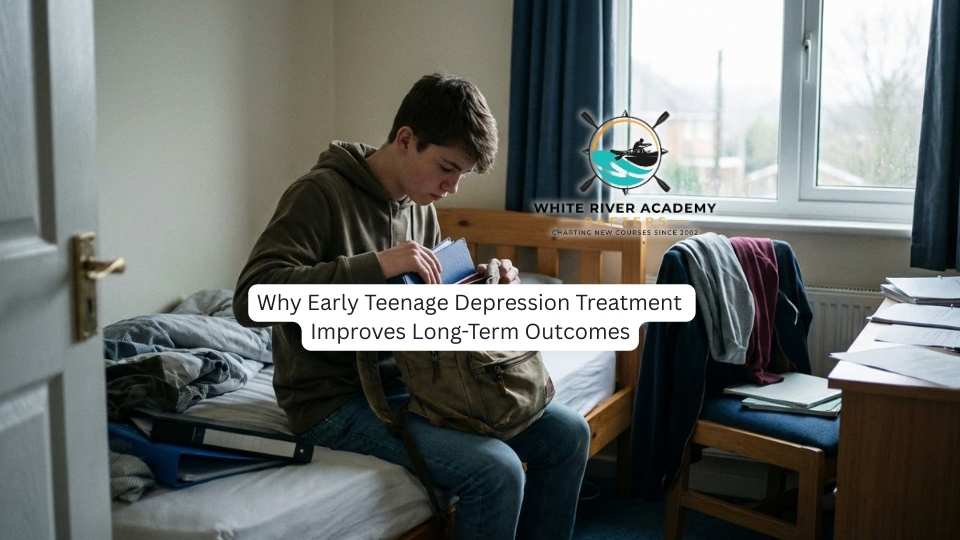
When your teen shows persistent sadness, irritability, or withdrawal, you may wonder whether it is just moodiness or something deeper, like severe depression. Early teenage depression treatment matters because it can shape your teen’s long-term emotional, social, and physical health. This article will help you recognize depression symptoms, understand why early care improves long-term outcomes, explore evidence-based treatments like cognitive behavioral therapy and antidepressant medications, and guide you through practical steps you can take today to support your troubled teen’s recovery. You’ll learn how accurate diagnosis, family support, and coordinated care lay the foundation for lasting well-being and resilience in your child.
Quick Takeaways
- Early identification and evidence-based care can reduce symptom severity and crisis escalation and may improve long-term functioning.
- Evidence-based therapy plus medication improves recovery rates
- Recognizing symptoms early leads to better adolescent mental health outcomes
Why Early Teenage Depression Treatment Matters

Getting timely teenage depression treatment can change your teen’s life trajectory. According to The Lancet Psychiatry, untreated depressive disorders in childhood and adolescence are a key factor in predicting long-term physical and mental health challenges later in adult life. Adolescents suffer from poor school performance, substance use, and increased suicide risk. However, early intervention helps interrupt these patterns and gives your teen the tools to cope and recover. Clinical evidence indicates that teens who receive treatment early often function better at home, at school, and in relationships than those who receive delayed treatment.
Signs of serious depression include:
- Persistent sadness lasting 2+ weeks
- Loss of interest in activities
- Frequent thoughts of death or self-harm
Early vs Delayed Treatment Outcomes
| Outcome | Early Treatment | Delayed Treatment | Why Timing Matters | Long-Term Impact |
|---|---|---|---|---|
| School Performance | More likely to remain positive or improve | Often declines over time | Early support stabilizes attention, motivation, and learning | Higher graduation and academic success rates |
| Suicide Risk | Reduced risk | Higher risk | Early intervention interrupts crisis escalation | Lower risk of future attempts and hospitalizations |
| Social Relationships | More likely to improve and stabilize | Increased risk of isolation | Skills build while peer connections are still forming | Healthier relationships and social functioning |
Recognizing Depression Symptoms in Your Teen
Knowing what symptoms of depression look like helps you act sooner rather than later. It’s normal for teens to feel sad, but when feelings of emptiness, irritability, or hopelessness last for weeks and disrupt daily life, it may be adolescent depression. Many teens with depressive disorders stop enjoying activities they once loved, struggle with schoolwork, or show sleep pattern changes.
Common symptoms to watch for:
- Persistent sadness or irritability
- Sleep issues (too much or too little)
- Appetite changes or weight shifts
Family, friends, and caregivers often notice changes in mood or behavior before a professional diagnosis, so your observations matter. Early recognition sets the stage for a proper psychological evaluation and tailored treatment.
Accurate Diagnosis and the Role of Adolescent Psychiatry in Depressed Teens
Accurate diagnosis is a critical step in teenage depression treatment. A mental health professional evaluates your teen for major depressive disorder and differentiates it from other conditions like bipolar disorder or anxiety. This ensures the right treatment plan and helps avoid unnecessary treatments. Comprehensive screening tools like the Kutcher Adolescent Depression Scale or Weinberg Screen Affective Scale aid clinicians in mapping depressive symptoms over time.
Why diagnosis matters:
- Ensures correct treatment strategy
- Identifies co-occurring issues like ADHD or substance use
- Guides medication decisions when appropriate
When a diagnosis is in hand, you can work with a pediatrician or an adolescent psychiatry specialist to create a treatment plan that fits your teen’s unique profile.
Evidence-Based Psychological Treatments for Depressive Disorders

Talk therapy is foundational in teenage depression treatment for most adolescents. Professional therapy provides adolescent boys with evidence-based tools to address depression, improve emotional regulation, and develop healthier thought patterns and coping strategies.
Cognitive Behavior Therapy and Adolescent Depression
Cognitive behavioral therapy (CBT) helps teens identify and change unhelpful thoughts and behaviors and is one of the first-line therapies in treating depression. Interpersonal psychotherapy focuses on improving relationships and communication skills, which are often tied to depressive symptoms.
Effective therapy options include:
- Cognitive behavioral therapy (CBT)
- Interpersonal psychotherapy
- Family therapy, when appropriate
These treatments give your teen coping skills and insight, reducing depressive symptoms and improving mood, relationships, and daily functioning.
Antidepressants and Medication Management
In some situations, medication complements therapy. Selective serotonin reuptake inhibitors (SSRIs) are often first-line medications used for major depressive disorder in teens, especially when symptoms are moderate to severe. Clinical evidence suggests that combining medication with therapy improves outcomes more than either treatment alone. Some things to keep in mind about medication include:
- SSRIs increase serotonin levels to help regulate mood
- Medications require close monitoring for side effects
- Not every teen needs medication
Work with a mental health professional to decide whether medications fit your teen’s treatment plan and monitor progress together.
Supporting Physical Health and Coping Skills
Your teen’s physical health strongly influences mood. Regular physical activity, good sleep hygiene, and balanced nutrition support improved mental health outcomes. Teaching coping skills like healthy expression, journaling, or relaxation techniques builds resilience.
Ways to help at home include:
- Encourage regular sleep schedules
- Support balanced meals and movement
- Foster open conversations about feelings
These steps help your teen build daily routines that reduce stress and depressive symptoms.
Eating Disorders, Substance Use, and Mental Health: Addressing Co-Occurring Conditions
Many teens with depression also struggle with substance use, anxiety, or other mental disorders. Early treatment that addresses all co-occurring conditions leads to better long-term health. Co-occurring disorders complicate mood disorders, but integrated care helps ensure nothing is overlooked, and all needs are met. Providers trained in child and adolescent psychiatry work with families to weave all concerns into a cohesive plan so your teen gets comprehensive support.
Common co-occurring issues:
- Substance use disorder: Teen substance use often begins as experimentation but can quickly develop into dependency, affecting brain development, academic performance, relationships, and overall health, requiring professional intervention and support.
- Anxiety disorders: Anxiety in teens goes beyond normal worry, causing excessive fear, avoidance of social situations, panic attacks, and physical symptoms that interfere with school, friendships, and daily functioning.
- Eating disorders: Eating disorders, including anorexia, bulimia, and binge eating, affect how teens view their bodies and their relationship with food, leading to dangerous physical complications and requiring specialized treatment.
- PTSD: Post-traumatic stress disorder develops after experiencing or witnessing trauma, causing teens to relive events through flashbacks, nightmares, and severe anxiety while avoiding reminders of the traumatic experience.
Depression Treatment Options: When to Seek Help
Early teenage depression treatment can transform your teen’s life. Spotting symptoms, seeking an accurate diagnosis, receiving adolescent psychiatry care, and building a strong support system set your teen up for better emotional health. Start by talking openly and connecting with trusted professionals who focus on your teen’s needs. Partnering with experienced care providers improves outcomes and builds a hopeful roadmap for your family’s future.
When outpatient treatment is not enough, our facility at White River Academy provides the structured residential environment your son needs to build responsibility and emotional stability. Contact our confidential admissions team today to discuss how our evidence-based program can support your family through this challenging time.