

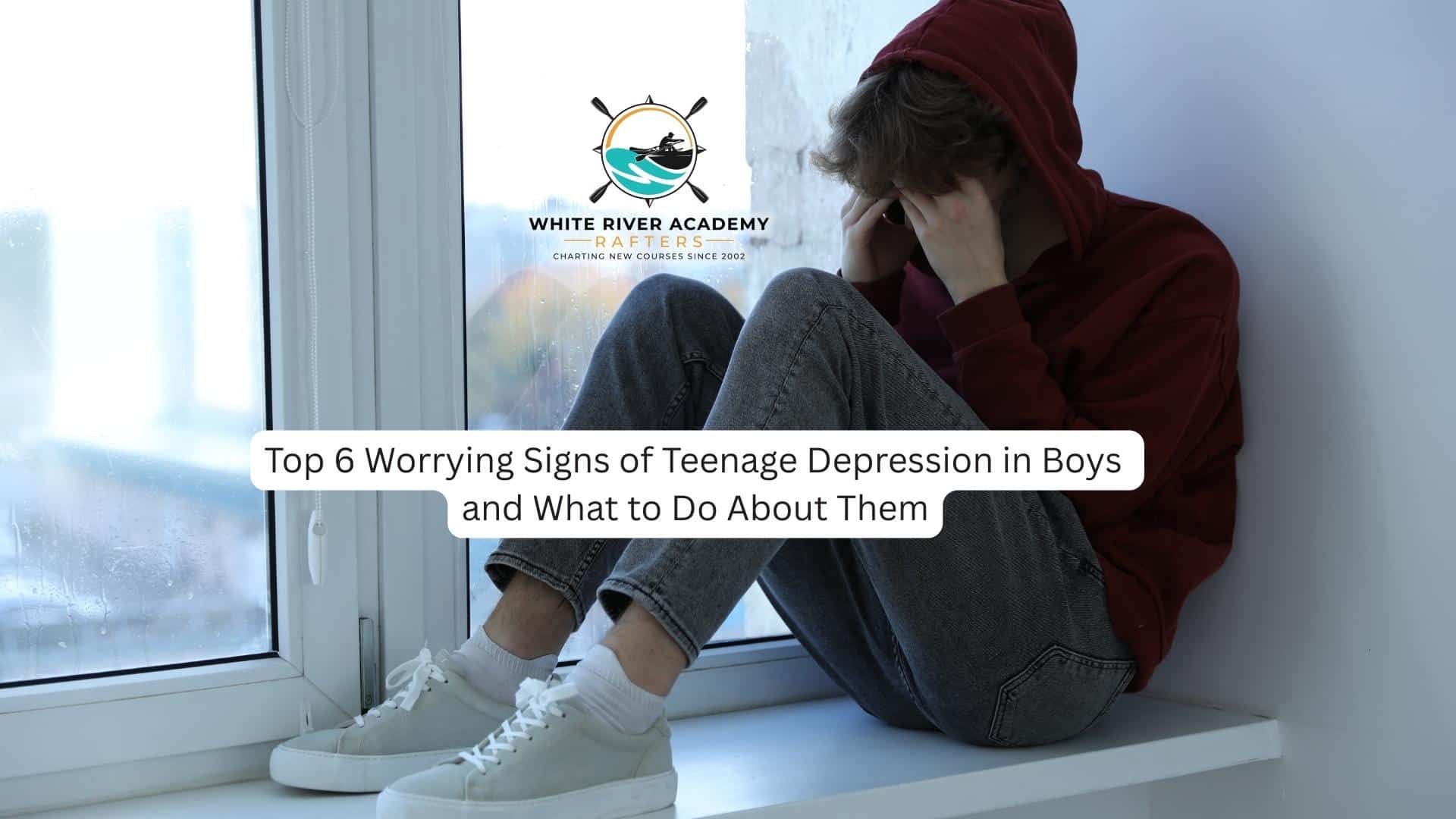
When boys struggle with teenage depression, it often looks different from what adults or girls might expect. You may see changes in mood, eating or sleeping habits, behavior, or school performance that seem like typical teenage phases at first. But when those shifts persist for weeks and start interfering with life, something deeper may be happening.
In this article, you will learn about the signs of teenage depression along with what to do about them, with guidance to help connect emotionally, and take the next steps as a caregiver. You will find clear insights on changes like irritability, loss of interests, social withdrawal, difficulty concentrating, and talking about death or self-harm, along with practical actions you can take to support your teen’s mental health and help them find trusted professional care for troubled teens.
Quick Takeaways
- Many teens experience persistent sadness or hopelessness; the Centers for Disease Control estimated in 2023 that 40 percent of US high school students report these feelings.
- Depression affects how a teen thinks, feels, and handles daily activities like sleeping, eating, or schoolwork.
- Early support and connection to a trusted adult can reduce long-term emotional harm and promote recovery.
6. Change in Eating or Sleeping Habits

When a teen’s eating or sleeping habits shift drastically and persist for weeks, it may be a sign of teenage depression rather than normal growth. Changes in appetite or sleep reflect how depression can disrupt brain chemicals that regulate mood and energy.
Examples You Might Notice:
- Sleeping most of the day or struggling to fall asleep at night
- Ignoring mealtimes or rapid weight changes
- Frequent complaints of fatigue or stomach pain without infection
What You Can Do:
- Keep gentle routines for meals and bedtime
- Ask open-ended questions about daily patterns
- Track changes over time instead of reacting to a single night or day
Teens who start sleeping far more than usual or resist sleep entirely, or who suddenly begin eating much more or much less than before, often find basic routines exhausting.
Comparing Eating & Sleeping Changes in Teen Depression
| Habit Change | Normal Variance | Concerning Pattern | What It May Indicate | When to Seek Help |
|---|---|---|---|---|
| Eating | Occasional skipped meal | Frequent loss of appetite or overeating | Depression, anxiety, loss of emotional regulation | Changes persist for 2+ weeks or affect physical health |
| Sleeping | Late bedtime occasionally | Sleep disruption that interferes with next-day functioning | Mood disorder, trauma response | Ongoing sleep problems despite routine adjustments |
| Energy | Tired after stress or busy days | Persistent daily exhaustion | Depression, burnout, emotional overload | Fatigue lasts most days for several weeks |
| Routine | Some inconsistency | Major, sustained shift in habits | Loss of motivation, depressive symptoms | Daily functioning declines or withdrawal increases |
5. Persistent Irritability or Anger In Cases of Adolescent Depression
Unlike stereotypes of sadness, many boys with depression show persistent irritability or anger instead of crying. This can look like frustration over small things, snapping at loved ones, or intense mood swings that last for weeks rather than a day or two. The change is often gradual and may seem like typical teenage independence, but when irritability disrupts relationships or routines, it becomes a concern. Depression affects how a teen thinks and reacts, making healthy communication harder over time.
You Might Observe:
- Overreactions to minor issues
- Frequent arguments with peers or caregivers
- Quick to anger in situations that once didn’t trigger this response
How to Respond:
- Use calm, direct questions about feelings
- Avoid blame language and focus on listening
- Offer support for emotional regulation
4. Lost Interest in Activities They Used to Enjoy

A key symptom of depressed teens is a lasting lack of interest in hobbies, social activities, or friendships that once brought joy. This goes beyond a teen simply feeling bored; it involves persistent disengagement that affects motivation and quality of life. According to the National Institutes of Mental Health, when teens are depressed, they may stop doing the things they used to love for most of the day, nearly every day.
Signs It May Be Depression
Notice if your son abandons his favorite sports or clubs without finding new interests to replace them. Depression often manifests when he shows no desire to see friends or plan activities, coupled with expressions that nothing feels enjoyable anymore. These symptoms indicate a deeper issue than typical teenage moodiness.
How You Can Help
Start by asking your son about what used to matter to him and why those interests have faded. Gently reintroduce low-pressure shared activities that don’t demand much emotional energy. Watch for these patterns consistently over multiple weeks, as sustained changes in behavior signal the need for professional evaluation and support. Untreated depression carries a significant risk, as young people may be more likely to self-harm or attempt suicide as symptoms get worse.
3. Difficulty Concentrating or School Struggles
Depression affects concentration, memory, and decision-making, which may show up as ongoing trouble in school. A teen may avoid homework, forget assignments, or say they feel “foggy” or unable to focus.
Academic struggles often signal underlying mental health concerns when your son experiences slipping grades without a clear explanation. He may demonstrate difficulty focusing during class and show increased forgetfulness about assignments and tasks. These patterns represent more than typical teenage distraction when they persist and worsen over time.
Support your son by breaking larger assignments and tasks into smaller, manageable steps that feel less overwhelming. Establish consistent homework routines with designated times and spaces for studying. Maintain open communication with his teachers about the changes you’ve observed at home, as coordinating support between school and home creates a stronger foundation for his success.
2. Social Withdrawal and Isolation
Many boys with teen depression start withdrawing from friends, family, and social situations. This isolation may look like avoiding hangouts, refusing dinner conversations, or spending long hours alone.
Signs to Notice:
- Rarely responds to invitations
- Avoids family activities
- Stops communicating with close friends
Ways You Can Support:
- Invite gently to low-pressure gatherings
- Validate emotions without pushing participation
- Schedule short, enjoyable family interactions
1. Talking About Death, Self-Harm, or Suicide
Talking about death or expressing thoughts of self-harm is an urgent sign of depression. Take any statements about not wanting to live seriously, along with behaviors like giving away favorite possessions or displaying sudden calm after periods of deep sadness. If you observe these signs, ask your son directly about suicidal thoughts. Direct questions do not plant ideas, but open crucial conversations.
Immediate Steps to Take:
- Ask directly about suicidal thoughts
- Contact emergency services if there is imminent danger
- Seek professional support immediately
Finding Depression Treatment in a Therapeutic Environment
Recognizing the top signs of teenage depression in boys helps you act early and compassionately when they need support most. Persistent changes in eating or sleeping habits, irritability, social withdrawal, or talk of death are not just teen phases; they may signal clinical depression. With steady connection, consistent routines, and professional support, you can help your son toward stability and healing. If symptoms persist or worsen.
Contact our confidential admissions team to discuss how White River Academy’s structured residential treatment with mental health professionals can help your son build responsibility, emotional maturity, and the foundation he needs to grow into a capable young man.